
Inverter Power Systems

How do inverter power system work?
These systems are known by a few names such as backup power systems, solar or UPS systems (Uninterruptible Power Supply).
The heart of all these systems is an inverter.
An inverter is an electrical machine that uses the electricity from batteries (direct current or DC), to produce electricity that can be used by the appliances in your home (alternating current or AC).
The period of time that the inverter and batteries will be able to supply electricity for, depends mainly on the capacity of the batteries and how many appliances the inverter is supplying electricity to.
When the battery is no longer able to supply electricity to the inverter, we say that the battery is discharged or "flat".
At this stage the inverter will switch off and the batteries will need to be recharged.
Recharging is done by either using power from Eskom, solar photovoltaic panels, wind turbines or petrol/diesel/gas generators.
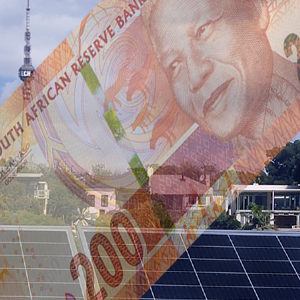
What do inverter power systems cost?
The three main considerations that will affect the cost of a system are:
- How many appliances will you be using at the same time (i.e. how much power you require).
- How long you will use those appliances for.
- The quality and level of sophistication of the equipment being used.

What are the benefits of having an inverter power system?
- You will be able to continue to work and earn a living when Eskom power is no longer present.
- If you have children, they can still do their school work and study.
- You won’t have to worry about food and medicine kept in refrigerators spoiling.
- If you have solar panels, you will be able to save money by using your own power rather than Eskom.
- Eskom power outages will no longer mean that you can’t live a productive and normal life.
- The great feeling of having lights and television when your neighbours are in the dark.